



Case Study
BERQ Undergraduate Quantum Workshop
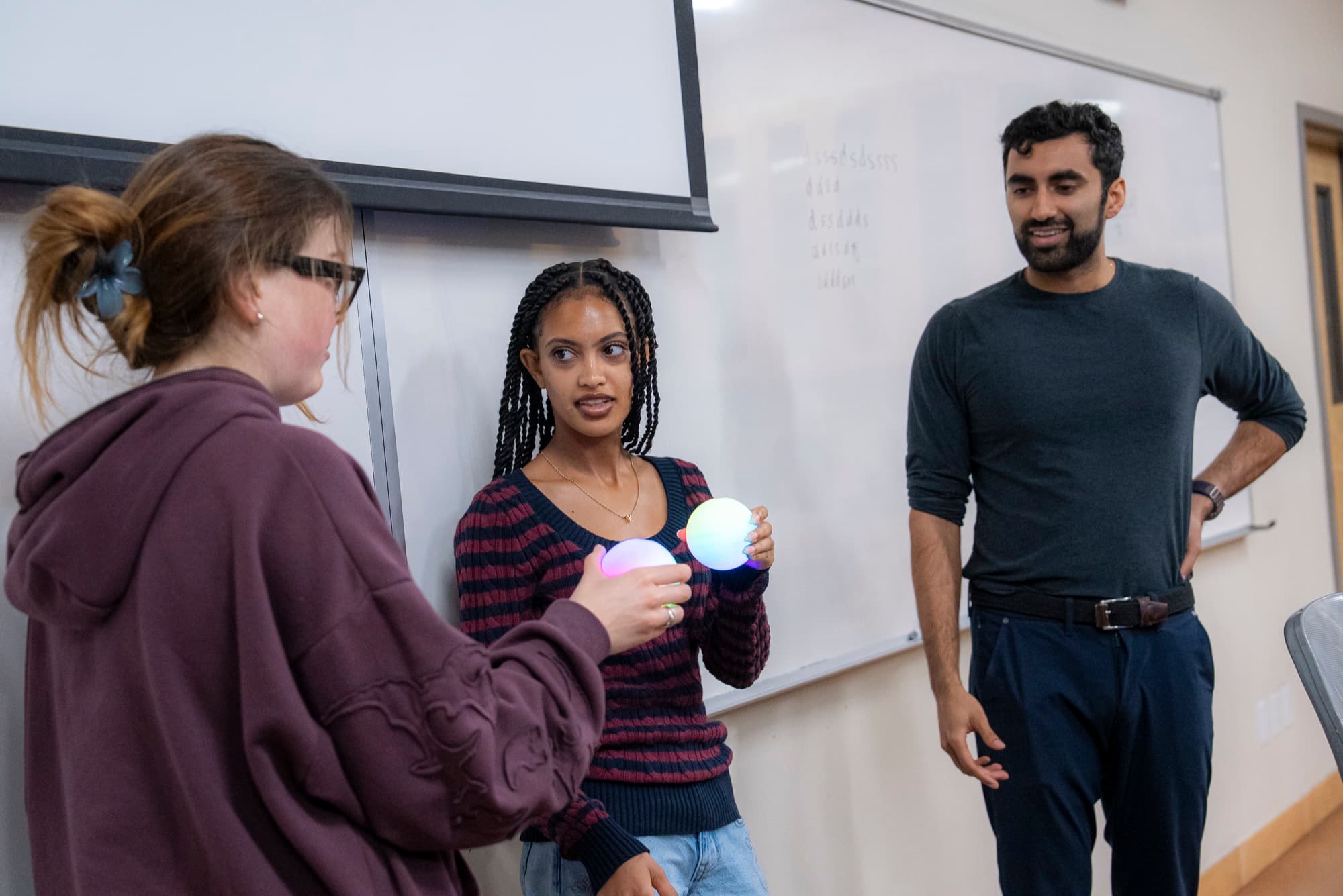
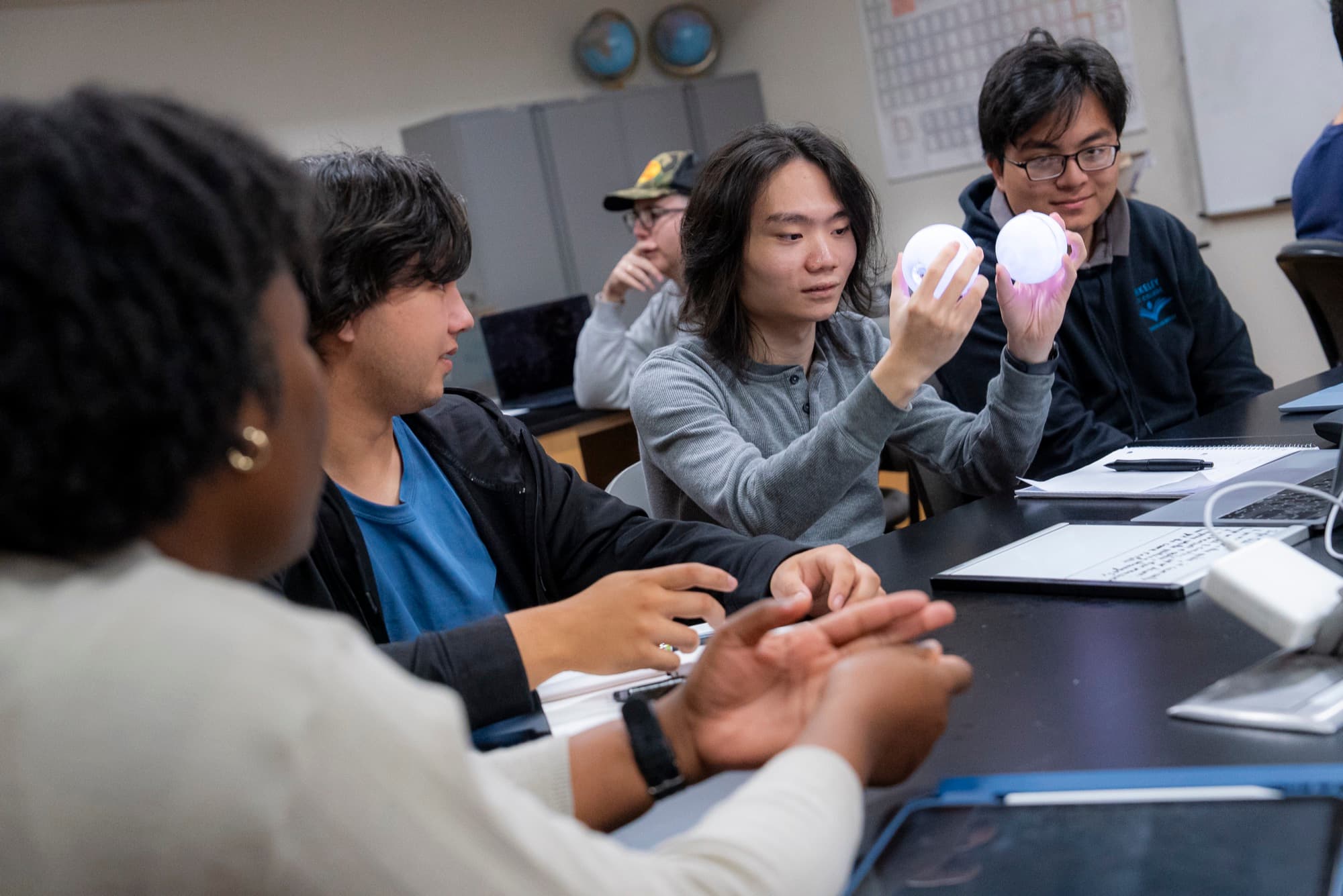
Berkeley Lab's BERQ, Boosting Employment Readiness in Quantum, is an undergraduate training program. After a first week on a QCaMP-inspired curriculum, its students spent two and a half hours with Qubi, discovering quantum behavior.

Taught by Sohum Thakkar · sohum@qolour.com
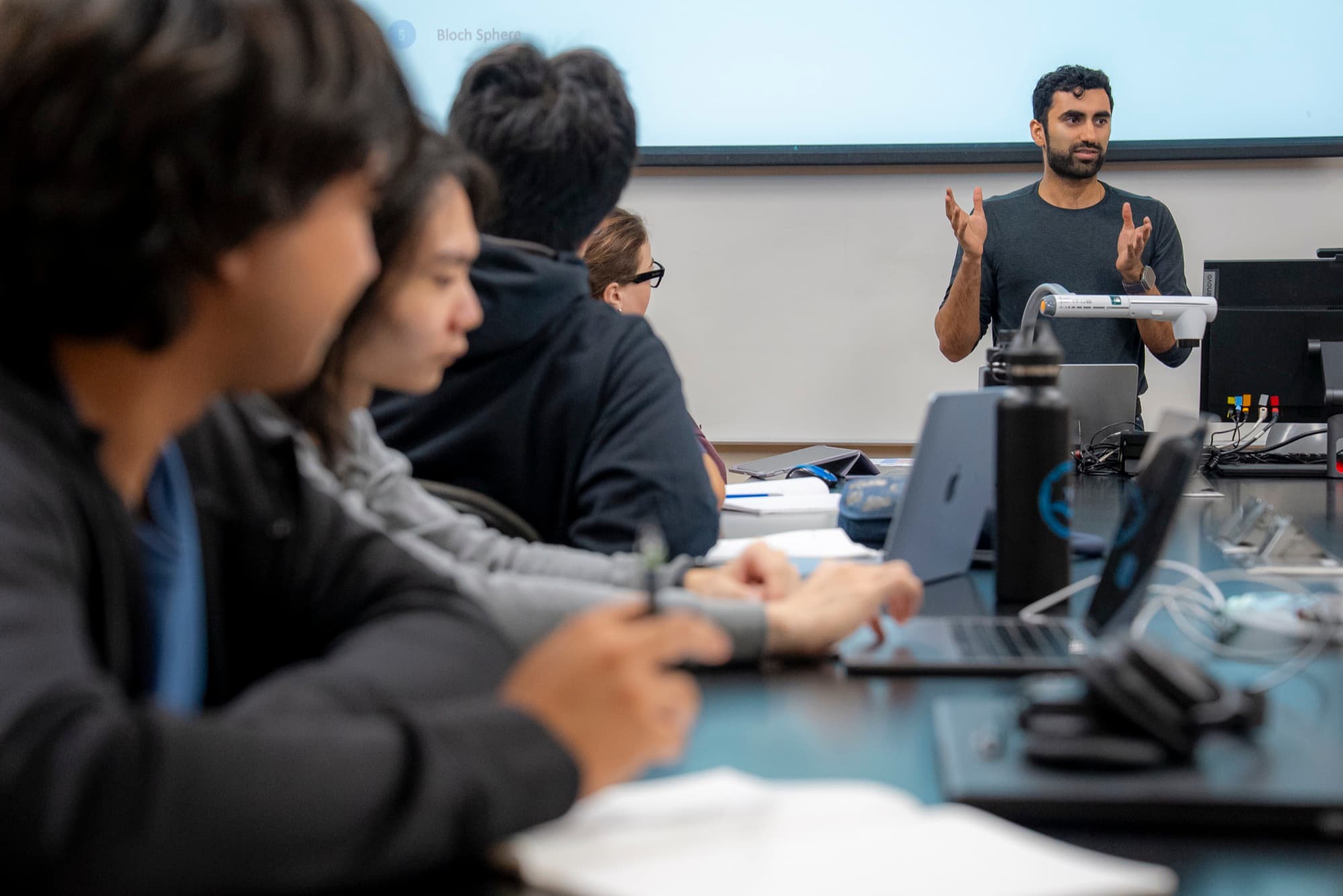
“This was a very engaging workshop, much better than traditional lectures. I never felt like I couldn’t understand something.”
Umaima Raisa
BERQ participant
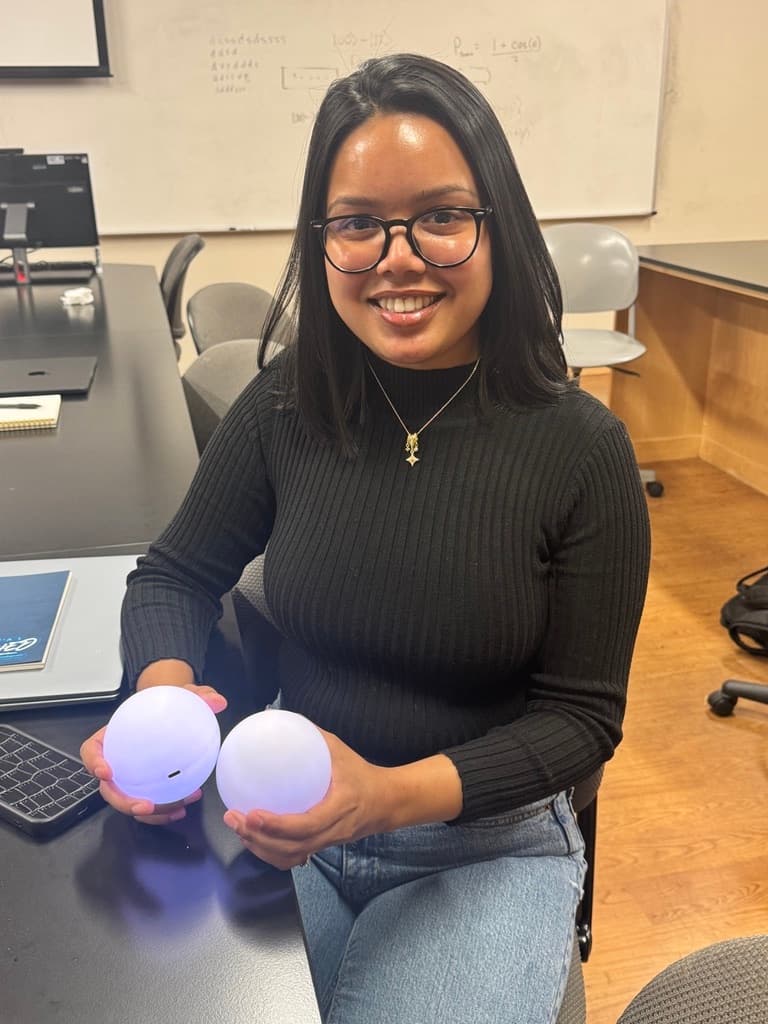
How the workshop ran
Students act as experimentalists. Each exercise is a short measurement on the Qubis, the class pools its results, and students name the rule themselves before the next exercise complicates it. The only prerequisites are basic angles and basic probability.
It is the same workshop we designed for QCaMP, given more time for undergraduates. See it exercise by exercise.
Part 1
Single qubits
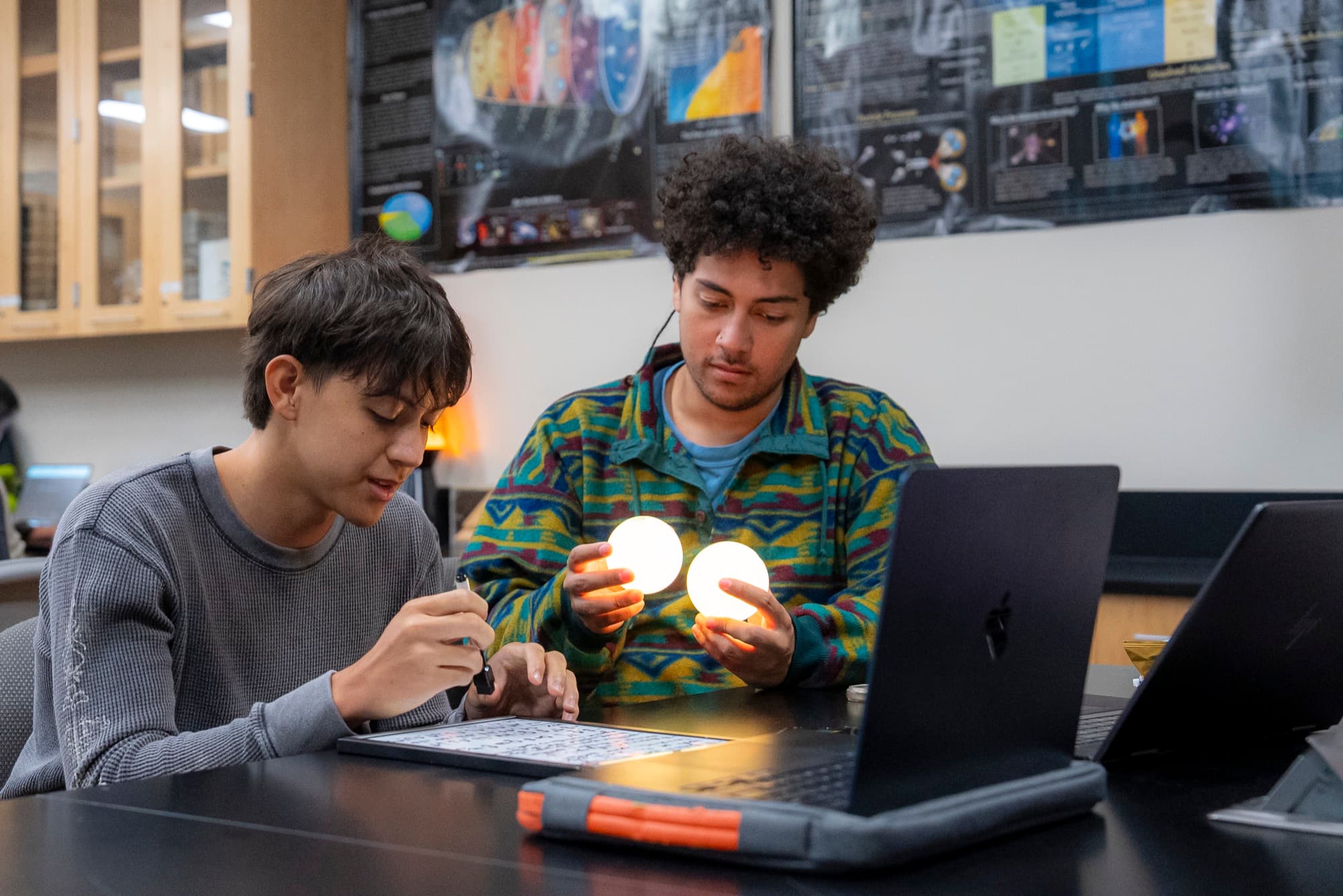
Each student gets a Qubi and treats it as a mysterious object. By measuring, flipping and rotating it, the class builds a theory of the qubit from its own tallies: two outcomes, a state the qubit remembers, and odds that depend on the angle. That theory is the Born rule and the Bloch sphere.
Part 2
Entanglement
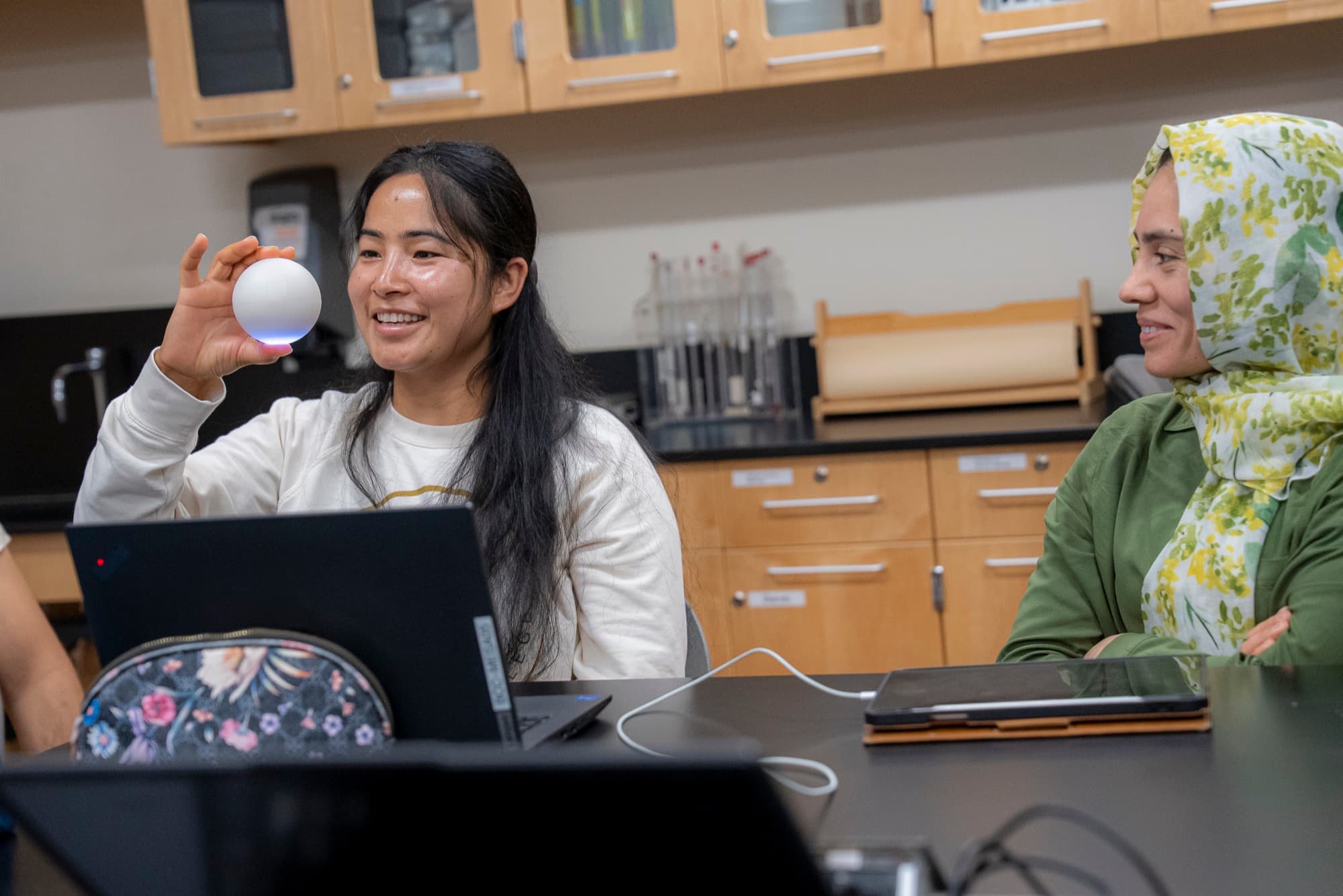
Groups bump two Qubis together and find they always land opposite. A simple hidden-answer theory explains it, until rotating one Qubi breaks it. The class meets the Singlet state, then tries and fails to send a message with it, and learns why entanglement can't signal.
Learning outcomes
Quantum measurement
Quantum theory predicts measurement outcomes, and students build that theory from their own data.
The Born rule and the Bloch sphere
How the rotation angle sets the odds of each outcome, and the sphere that ties it together.
Entanglement
The Singlet state, found by hand, and why it can't be split into two independent qubits.
No signalling
Why measuring one half of a pair can't send a message, correcting a common misconception.
Want to run this workshop with your students?
We run it in person or online, for high schoolers and undergraduates. Get in touch to plan a session.